A Shared Table Around One Seasonal Ingredient
Plan a relaxed gathering around one seasonal ingredient with flexible dishes, simple hosting and welcoming prompts that help guests share food memories.
The common mistake with a seasonal-ingredient gathering is making every dish revolve around the same food. It can leave the host with extra work and guests with fewer choices. A shared table around one seasonal ingredient works better when the ingredient is a conversation starter, not a rule for what everyone must eat.
Choose a flexible ingredient
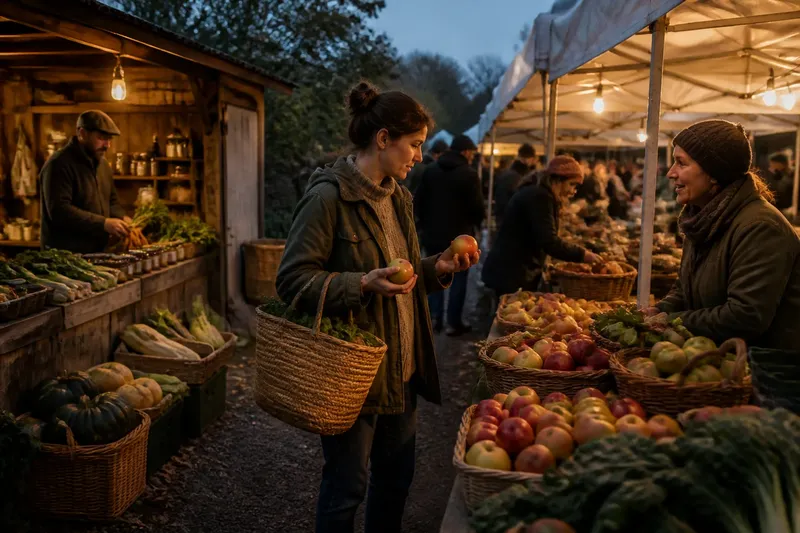
Pick a food that is available in forms you can serve without specialist equipment. Apples, beans, pears and root vegetables can work well because they suit contrasting preparations: raw and cooked, crisp and soft, fresh and preserved. Choose something you can enjoy preparing, rather than a novelty that turns hosting into a project.
Consider the people coming before you settle the menu. Ask about allergies and dietary needs privately, then choose a centrepiece that leaves everyone a satisfying option. If the featured food is unsuitable for a guest, keep it as one optional dish and make the rest of the meal substantial without it.
Decide on the ingredient first, then build a meal around it rather than trying to make it fit a fixed theme.
Build a flexible menu
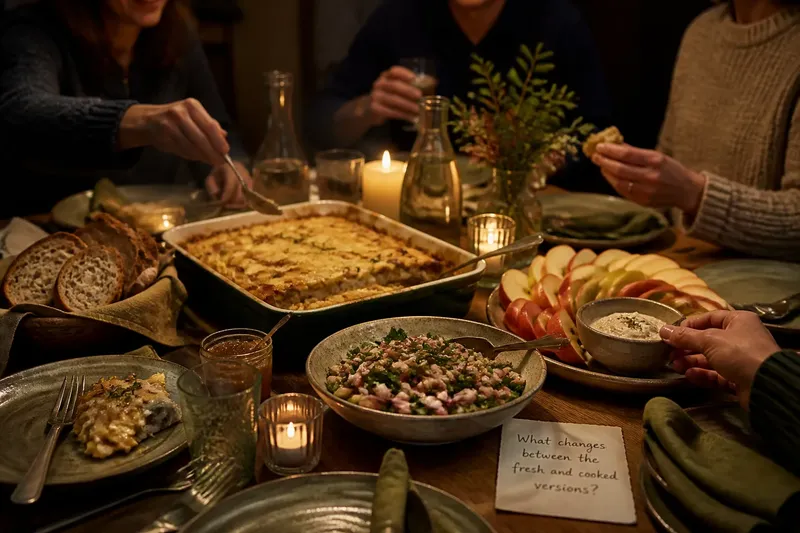
Plan one filling dish, one contrasting preparation and a simple accompaniment. For an apple gathering, that might mean a savoury baked dish, sliced apples with a dip, and bread with cheese or a suitable plant-based alternative. Other dishes can stand apart from the featured ingredient, giving guests room to choose.
Ask about dietary needs before shopping. Keep packaging available for prepared foods, and label dishes when ingredients may not be obvious. Use separate serving spoons where that helps guests avoid ingredients they need to steer clear of. For specific allergy concerns, ask the guest what precautions they need and follow appropriate food-safety advice.
Use small portions of the contrasting preparations so people can sample them without turning the meal into a formal tasting.
Invite easy contributions
Ask guests for something that suits the meal, rather than requiring another version of the featured food. Bread, a drink, a condiment or a short food memory are all easy options. Say plainly that bringing nothing is fine; the invitation should not become a contribution contest.
Make the request specific enough to avoid a table full of similar dishes. You might write: “Bring a small side or drink you enjoy with pears, if you like. No cooking is needed.”
Say you have chosen pears and a guest is travelling by train after work. They could bring a small jar of chutney from a shop near home. You provide the main food and plates; the jar gives the table another flavour to try without requiring the guest to carry a fragile dish or cook ahead.
Make conversation comfortable
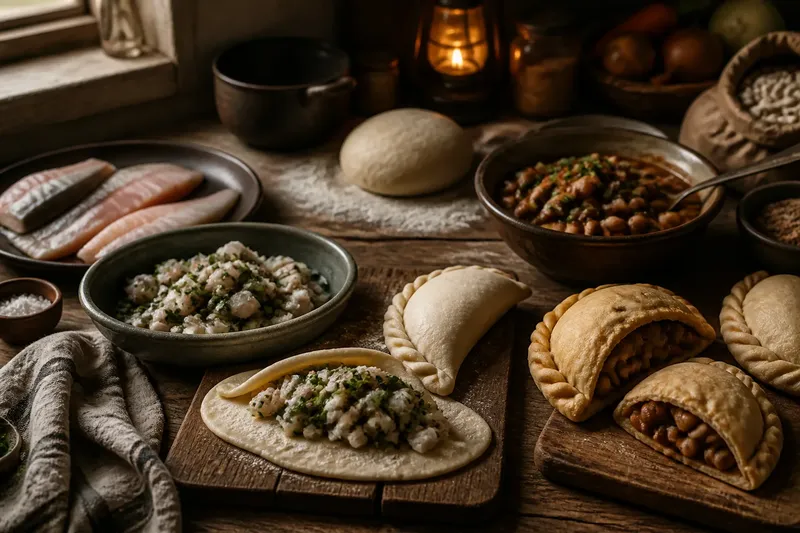
Set contrasting preparations beside each other and offer a simple prompt: “What changes between the fresh and cooked versions?” Guests can talk about texture, aroma or the ways they use the ingredient at home. Invite observations rather than asking everyone to name a favourite.
Share a family habit or a preparation note if you know one, but do not expect any guest to speak for a whole place or tradition. A card can name a dish or explain how it was prepared. Keep the focus on what people can notice and enjoy together.
Let conversation wander; nobody needs to deliver a lesson about the ingredient.
Prepare without overdoing it
Choose dishes you can finish before guests arrive. Make a dish ahead if it reheats well, wash and arrange fresh food in advance, and set out serving spoons and water. Decide which foods can sit out safely and which need attention; follow food-safety guidance for storage and serving, especially for perishable dishes.
Borrow plates or ask someone to pour drinks if that makes the evening easier. Avoid relying on a guest’s arrival time or equipment for a task the meal depends on.
- If a guest has an allergy to the featured ingredient, then make it optional and prepare a substantial alternative; otherwise, include it in the planned dishes.
- If the ingredient is awkward to prepare with your available equipment, then choose an easier preparation or a different ingredient; otherwise, keep the planned method.
- If the menu has no filling dish, then add bread, grains or another suitable centrepiece; otherwise, keep the meal as planned.
- If two planned dishes are nearly identical, then change one preparation to create a clear contrast; otherwise, keep both.
- If a guest contribution would be difficult to carry or prepare, then suggest a drink, packaged condiment or no contribution; otherwise, leave the invitation open.
- If a dish contains an ingredient guests may not recognise, then label it and keep its packaging available; otherwise, a simple dish name is enough.
- If a food needs chilled or hot holding, then arrange the suitable storage and serving method before guests arrive; otherwise, set out the serving tools and water.
For a worked plan, imagine you are hosting four friends around apples; those numbers are invented planning inputs, not a general rule. One friend tells you they avoid dairy, and another is arriving by train. You choose a savoury apple bake, sliced apples with a dairy-free dip, bread and a bean salad. You check the dip label, use separate serving spoons and ask the travelling guest to bring nothing. The result is a meal with two apple preparations, a filling option that does not depend on dairy, and no fragile dish to carry. The trade-off is a little extra attention to labels and serving utensils.
What do guests ask?
Does every dish need the ingredient?
No. Make the featured ingredient a point of conversation, not a menu restriction. Other dishes give guests satisfying alternatives and make the meal more flexible.
What if it is hard to find?
Choose another seasonal food that is easy for you to prepare. The gathering can still centre on contrasting flavours, textures or cooking methods.
How can non-cooks join in?
Offer simple choices such as bringing a drink, bread or a food memory. Make clear that coming without a contribution is welcome.
Can a small table host this meal?
Yes. Serve dishes in courses or pass them around rather than setting out a display. Two contrasting preparations can give the table plenty to discuss.
Leave room for choice
Offer leftovers in suitable containers if you have them, and let guests decide which preparation they liked best—or whether they have a favourite at all. A shared table around one seasonal ingredient needs no verdict: a flexible menu, clear choices and space for different food memories are enough to make the meal feel generous.